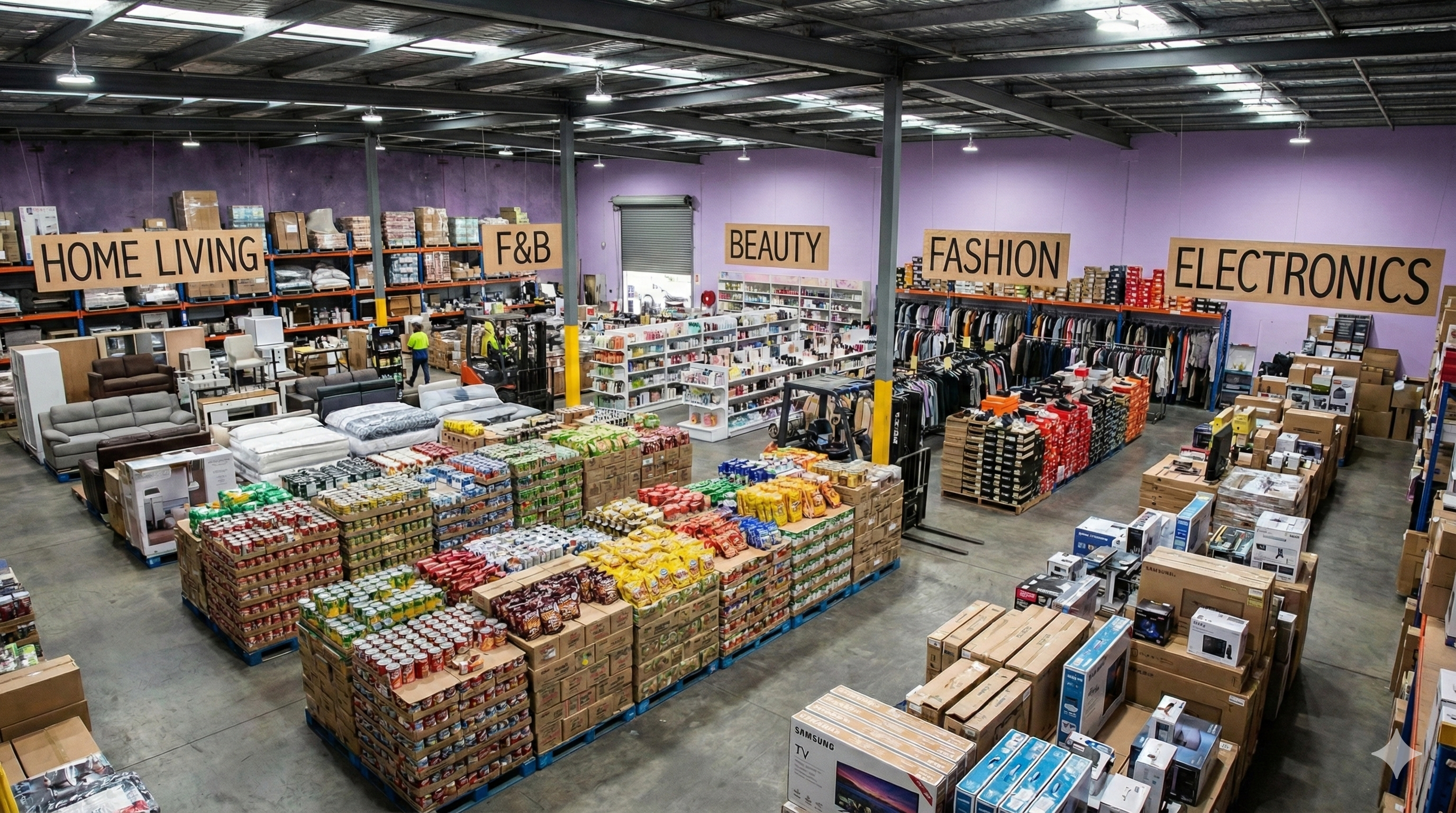
In the complex world of inventory management, a common and costly mistake is treating all excess stock as homogenous "overstock." However, different product categories inherently possess distinct characteristics that profoundly influence their residual value, market demand, and the optimal channels for liquidation.
A one-size-fits-all approach to disposal will inevitably lead to suboptimal recovery, unnecessary carrying costs, or even brand damage. Understanding the power of category insights is crucial for unlocking maximum value from your excess inventory.
Why Category Matters in Liquidation
Every product category comes with its own set of challenges and opportunities when it comes to disposal:
Depreciation Rate: How quickly does the product lose value? (e.g., tech vs. apparel).
Shelf Life/Seasonality: Is it date-sensitive or trend-dependent? (e.g., FMCG vs. seasonal fashion).
Refurbishment Potential: Can it be repaired or repackaged? (e.g., electronics vs. single-use items).
Secondary Market Demand: Who buys this specific type of liquidated product? (e.g., food banks vs. apparel discounters).
Regulatory Compliance: Are there specific rules for disposal or resale? (e.g., hazardous materials, medical devices).
Category-Specific Liquidation Strategies
Let's examine how different categories demand tailored approaches:
A. Fast-Moving Consumer Goods (FMCG)
Characteristics: Short shelf life, high volume, low unit margin, strict regulatory requirements (food safety, expiry dates).
Liquidation Goal: Extremely rapid disposal to avoid waste and manage liability.
Optimal Channels: Specialized B2B buyers (salvage grocers, closeout distributors), food banks, regional discounters with agile logistics.
Mistake to Avoid: Delaying disposal, which turns recoverable assets into unsellable waste.
B. Consumer Electronics & Appliances
Characteristics: Rapid technological obsolescence, high unit value, strong demand for refurbished items, complex repairs, data security concerns.
Liquidation Goal: Maximize recovery through refurbishment or parts harvesting.
Optimal Channels: Certified refurbishers, IT Asset Disposition (ITAD) specialists, component resellers, branded outlet stores for "open box" items.
Mistake to Avoid: Selling unmanifested lots "as-is," failing to capture refurbishment value or risking data breaches.
C. Apparel & Fashion
Characteristics: Extreme seasonality, trend-driven depreciation, high brand perception value, fragmentation by size/color.
Liquidation Goal: Discreet disposal to protect brand image and prevent public deep discounting.
Optimal Channels: Non-competing international markets, off-price retailers (with strict channel agreements), private B2B auctions, sample sales (highly controlled).
Mistake to Avoid: Flooding local markets with last season's styles, damaging future full-price sales.
D. Home Goods & Furniture
Characteristics: Often bulky, high shipping costs, aesthetic-driven demand, varying quality for returns (e.g., minor dents vs. major damage).
Liquidation Goal: Efficient disposal to reduce warehousing costs, potentially leveraging local secondary markets.
Optimal Channels: Local/regional secondary retailers, scratch-and-dent outlets, furniture liquidators, bulk B2B sales (for items in good condition).
Mistake to Avoid: Ignoring high storage costs, shipping damaged items long distances for minimal recovery.
The Power of Data-Driven Category Management
A generic liquidation platform cannot possibly understand the nuances of each product type. This is where specialized, data-driven solutions become indispensable. They leverage:
Category-Specific Algorithms: To predict optimal pricing and demand based on product attributes.
Curated Buyer Networks: Matching specific categories (e.g., electronics buyers, food brokers) to your inventory.
Compliance Expertise: Ensuring regulatory adherence for sensitive goods.
By moving beyond general "bulk deals" and embracing a category-centric approach, brands can transform their excess inventory from a liability into a precisely managed asset stream.
Ready to unlock the true value of your excess inventory with category-specific insights? Visit Pollen Tech to learn more about our AI-powered Liquidation Management System.